Best Reef Safe Sunscreen Sticks to Protect Your Skin & Oceans
If you’re looking for reef‑safe protection that keeps oceans safe, start with Blue Lizard SPF 50+ Stick for zinc oxide and 80‑minute water‑resistance. Pair that with Reef Safe Biodegradable Facestick, which adds vitamin E and is compostable. Hello Bello offers a formula but includes phthalates. Reef Safe SPF 50+ Plus gives a finish and 80‑minute resistance. Project Reef delivers non‑nano zinc and compostable packaging. You’ll also find Cetaphil, Blue Lizard Kids, and Sun Bum—keep scrolling for why each excels.
Key Takeaways
- Blue Lizard SPF 50+—80‑minute water‑resistance, 98 % UVB coverage, paraben‑free, reef‑safe, vegan.
- Reef Safe SPF 50 Biodegradable—zinc oxide + vitamin E, 80‑minute water‑resistance, Hawaii/Mexico approved, biodegradable packaging.
- Reef Safe SPF 50+—98.5 % UVB/UVA, translucent, twist‑up applicator, minimal white cast, 80‑minute water‑resistance; ideal for dark skin.
- Project Reef SPF 50—Hawaii Act 104 compliant, compostable packaging, 80‑minute water‑resistance, non‑nano zinc oxide.
- Hello Bello SPF 50—non‑nano zinc oxide, vegan, but contains parabens and phthalates; less reef‑friendly.
BLUE LIZARD SPF 50+ Mineral Sunscreen Stick
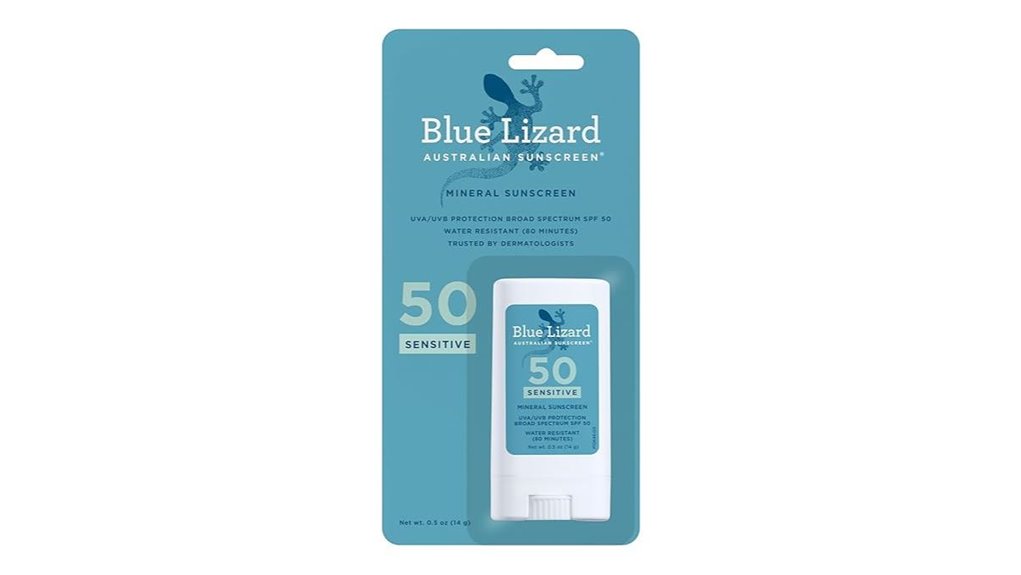
If you’re a beachgoer who cares about your skin and the reef, this Blue Lizard SPF 50+ stick is your go‑to. Zinc oxide is the only active ingredient, giving you 98 % UVB coverage and 100 % mineral protection with no oxybenzone, octinoxate, paraben, fragrance, or animal testing. Dermatologists’ve vetted it for two decades, making it safe for sensitive skin. Apply it thickly to dry skin 15 minutes before sun exposure, then reapply after 80 minutes of swimming or after towel dry, or every two hours. It’s lightweight, TSA‑friendly, reef‑safe, and water‑resistant for 80 minutes. You’ll keep your skin hydrated and protected throughout your beach day.
Best For: beach lovers, eco‑conscious travelers, and anyone with sensitive skin who seeks 100 % mineral, reef‑friendly protection.
Pros:
- Iron‑clad zinc oxide offers 98 % UVB coverage with no chemical filters.
- Water‑resistant for up to 80 minutes and TSA‑friendly for on‑the‑go use.
- Dermatologist‑tested for 20 years, paraben‑free, fragrance‑free, and vegan.
Cons:
- Requires generous application to achieve optimal SPF, which can feel heavy on dry skin.
- May leave a slight white cast, particularly on darker complexions.
- Only one active ingredient (zinc oxide) may mean less broad‑spectrum coverage against UVA‑A compared to multi‑filter formulations.
https://www.amazon.com/dp/B083VTP119
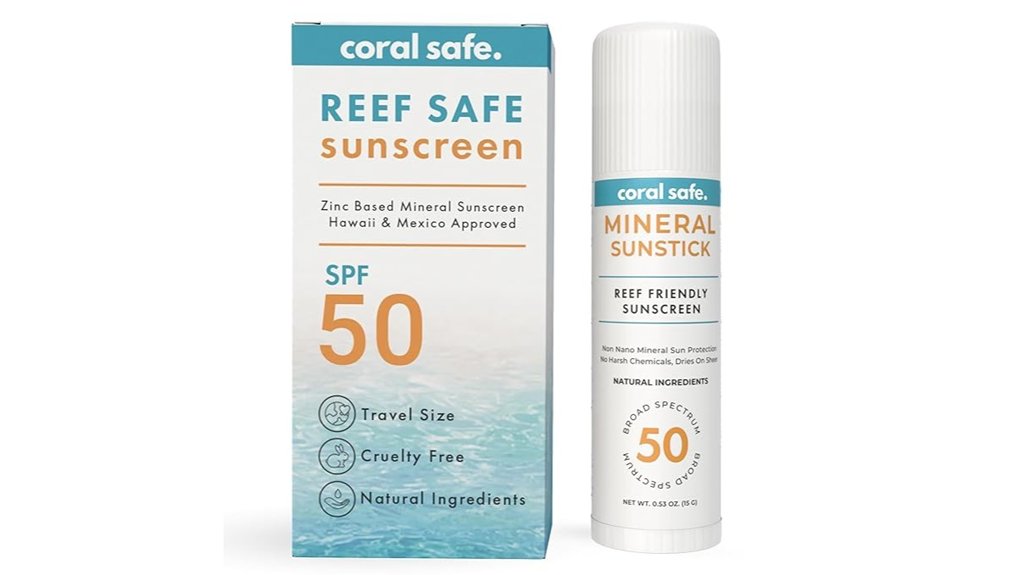
Reef Safe SPF 50 Biodegradable Facestick
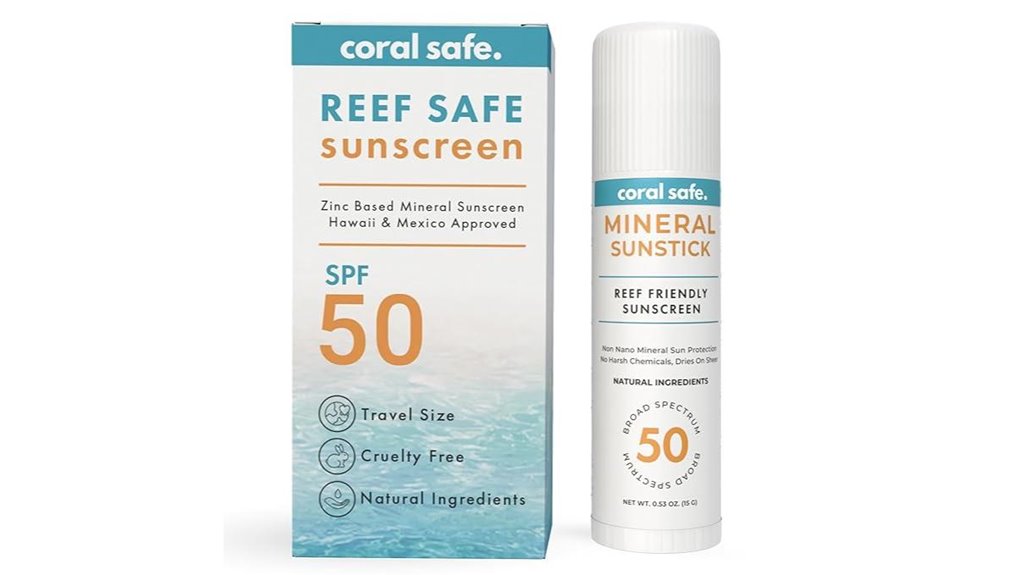
For anyone who loves the beach—whether you’re sand‑surfing, hiking, or just lounging—this reef‑safe SPF 50 facestick gives you high‑level protection from zinc oxide and vitamin E, stays water‑resistant for 80 minutes, and biodegrades naturally, so you can enjoy your outdoor adventures without harming the coral.
Made in the U.S., this stick delivers a pure zinc‑oxide and vitamin E blend—no oxybenzone or octinoxate—to protect skin and coral. Its lightweight, non‑greasy feel mirrors popular Korean sunscreens and stays put during water activities for up to 80 minutes. Hawaii and Mexico certified, it biodegrades naturally, keeping oceans clean while you adventure, it protects you and the marine life.
Best For: a beach-loving, eco-conscious traveler or athlete who needs high‑level, reef‑safe protection that stays put during water or sweat‑intensive activities.
Pros:
- 100 % mineral blend of zinc oxide and vitamin E for strong, non‑chemical protection
- 80‑minute water resistance and a lightweight, non‑greasy feel that stays in place
- US‑manufactured, approved by Hawaii and Mexico, biodegradable for a clean‑ocean impact
Cons:
- Texture can feel a bit thicker than typical liquid sunscreens, requiring a thicker layer for coverage
- Minimal fragrance; users seeking a scented sunscreen may find it bland
- Slightly higher price point compared to standard chemical foams or sprays.
https://www.amazon.com/dp/B09ZYRMZ5R
Hello Bello SPF 50 Mineral Sunscreen Stick
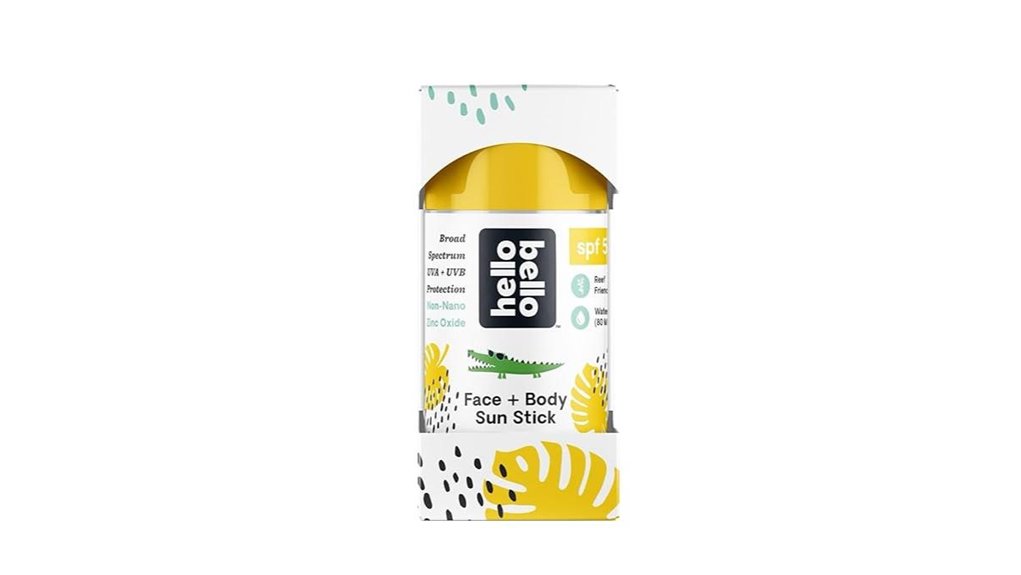
Need a sunscreen that shields your skin without harming coral reefs?
You’ll love its 50‑plus protection: SPF 50, broad‑spectrum UVA + UVB, powered by non‑nano zinc oxide. The stick is dermatologically and clinically tested, hypoallergenic, and non‑greasy—so even kids’ sensitive skin stays fresh. Coconut, cocoa, and shea butters give a lightweight, moisture‑rich feel, while botanical oils keep it silky without synthetic fragrance or harmful chemical sunscreens. Water‑resistant for up to 80 minutes, it rolls on exactly where you need it—ears, nose, delicate zones—without a sticky mess. With Biorius reef‑friendly, vegan, and Leaping Bunny certification, it supports ocean health and family budgets alike.
Best For: families looking for reef‑friendly, high‑SPF protection that’s easy to apply on sensitive skin, especially kids.
Pros:
- SPF 50 with broad‑spectrum UVA/UVB protection from non‑nano zinc oxide.
- Stick format that’s water‑resistant for up to 80 minutes and applies precisely on ears, nose, and other delicate areas.
- Vegan, Leaping Bunny & Biorius certified, free of synthetic fragrance and harmful chemical sunscreens.
Cons:
- Contains parabens and phthalates, which may irritate some users.
- Not entirely free of chemical sunscreens (some additives remain).
- Price point may be higher than non‑certified, generic equivalents.
https://www.amazon.com/dp/B0CGW7DVCX
Reef Safe SPF 50+ 80-min Sunscreen Stick
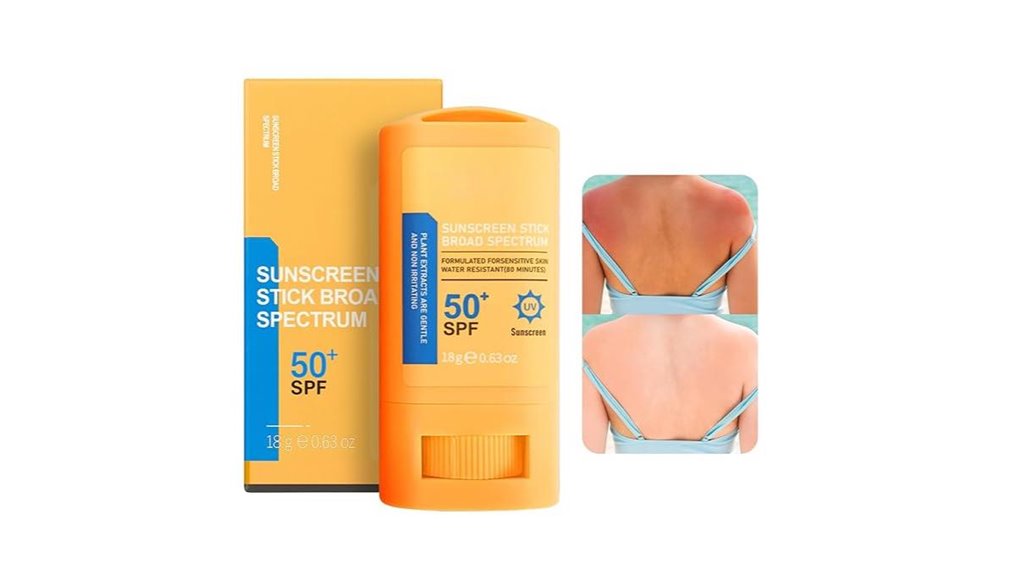
The ultra‑thin, translucent SPF 50+ stick, offering 98.5 % UVB and UVA coverage, is the go‑to choice for travelers and sports enthusiasts who want flawless, hands‑free protection without any white cast. You’ll love its smooth glide and twist‑up applicator, letting you target noses, ears, and tattoos with pinpoint precision. The formula, free of PABA and non‑comedogenic, blends ceramides and squalane for gentle, long‑lasting defense. It stays on for 80 minutes of water‑and sweat‑resistance, so you can reapply every two hours and stay safe at beaches and poolside. Each 0.63 oz tube fits in your bag, keeping your routine mess‑free and pure comfort daily.
Best For: travelers, athletes, and anyone who wants hands‑free, water‑resistant protection without a white cast for a flawless sun‑safe routine.
Pros:
- Ultra‑thin, translucent stick glides smoothly with a clear finish.
- 80‑minute water and sweat resistance keeps protection active during beach, pool, or sports.
- Compact 0.63 oz tube and twist‑up applicator fit perfectly in bags for mess‑free travel.
Cons:
- Reapplication every 2 hours is required for full SPF stability.
- The lightweight formula can leave a faint residue on very dark skin after prolonged use.
- Lacks fragrance, which some users may find overly plain.
https://www.amazon.com/dp/B0F9PHRQCJ
Project Reef SPF 50 Mineral Sunscreen Stick
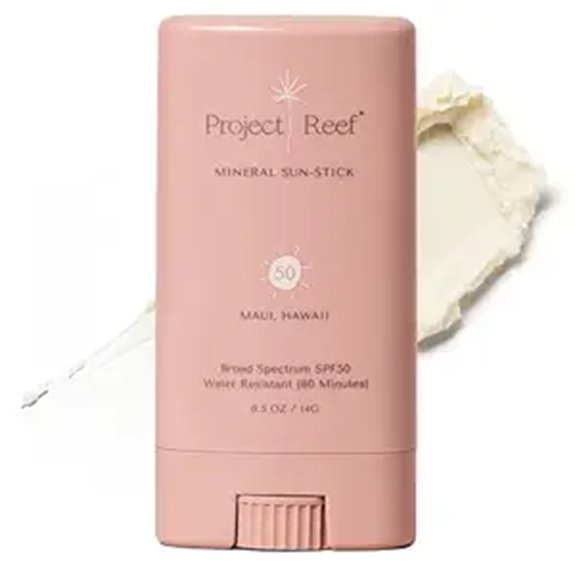
If you’re a surfer, beach traveler, or any eco‑conscious outdoors person who wants to protect both your skin and the reefs, the Project Reef SPF 50 Mineral Sunscreen Stick gives you a fully vegan, non‑nano zinc oxide formula that meets Hawaii Reef Act 104 – the strictest reef‑protection standard. Twist the compact 0.5‑oz stick, apply in separate sections, and rub in circular motions until fully absorbed. It stays water‑resistant for up to 80 minutes, shielding you during surfing, swimming, kayaking, or sweating, while delivering smooth coverage across face and body. Packaged recycled, it cuts plastic waste and aids ecosystems, for everyone.
Best For: Surfers, beach travelers, and eco‑conscious adventurers who want reef‑safe, vegan skin protection in a compact, water‑resistant format.
Pros:
- Meets Hawaii Reef Act 104 (strictest reef‑safety standard).
- 80‑minute water‑resistance ideal for surfing, swimming, kayaking, and sweating.
- Fully compostable, post‑consumer recycled packaging cuts plastic waste.
Cons:
- Mineral ingredients can leave a slight white residue on darker skin tones.
- Requires multiple layers for maximum SPF, which may feel bulky.
- Limited to 0.5 oz, so frequent trips to the bathroom may be necessary for extended outings.
https://www.amazon.com/dp/B0CF3BWVWX
CeraVe Mineral SPF 50 Sunscreen Stick, Fragrance‑Free
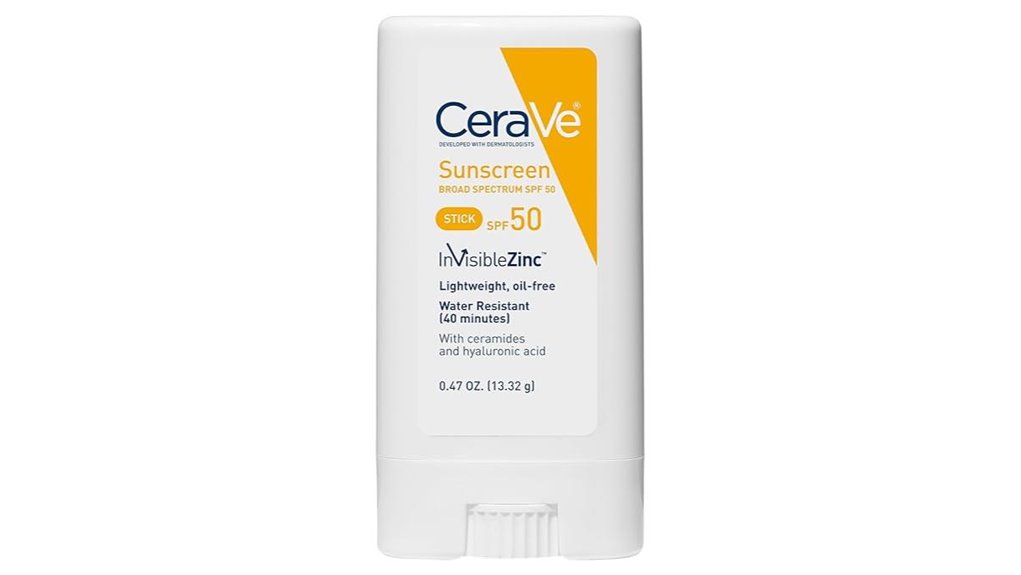
Because CeraVe’s mineral SPF 50 stick relies on a 100 % micro‑fine zinc oxide and titanium dioxide blend that’s free from oxybenzone, avobenzone, and fragrance, it’s the top pick for anyone who needs a reef‑safe, high‑strength barrier that won’t irritate sensitive skin. You’ll enjoy broad‑spectrum SPF 50 protection with only mineral filters, plus a clear, residue‑free finish that leaves your skin looking natural. The oil‑free, non‑comedogenic formula is ideal for sensitive areas—lips, nose, earlobes, and the eye line. Three ceramides strengthen your barrier, keeping moisture locked in. Water‑resistant for 40 minutes, this stick feeds travel‑size convenience and is FSA/HSA eligible for all.
Best For: anyone needing a reef‑safe, high‑strength mineral sunscreen for sensitive skin, especially around the face, lips, or eye area.
Pros:
- 100 % mineral SPF 50 with micro‑fine zinc oxide & titanium dioxide, no irritants like oxybenzone or fragrance.
- Ceramide‑enriched, oil‑free, non‑comedogenic formula that restores the skin barrier and keeps moisture locked in.
- Stick format, water‑resistant (40 min), travel‑size, and FSA/HSA eligible, making it convenient for on‑the‑go use.
Cons:
- No photostable chemical filters, so high‑intensity UV exposure may require reapplication more frequently.
- Some users may find the texture slightly thick or sticky for certain device‑free application.
- Snowy or superconducting UV cover may be harder to blend over uncovered spots.
https://www.amazon.com/dp/B00CICLTAI
Reef Safe SPF 50 Mineral Face Stick 2‑Pack
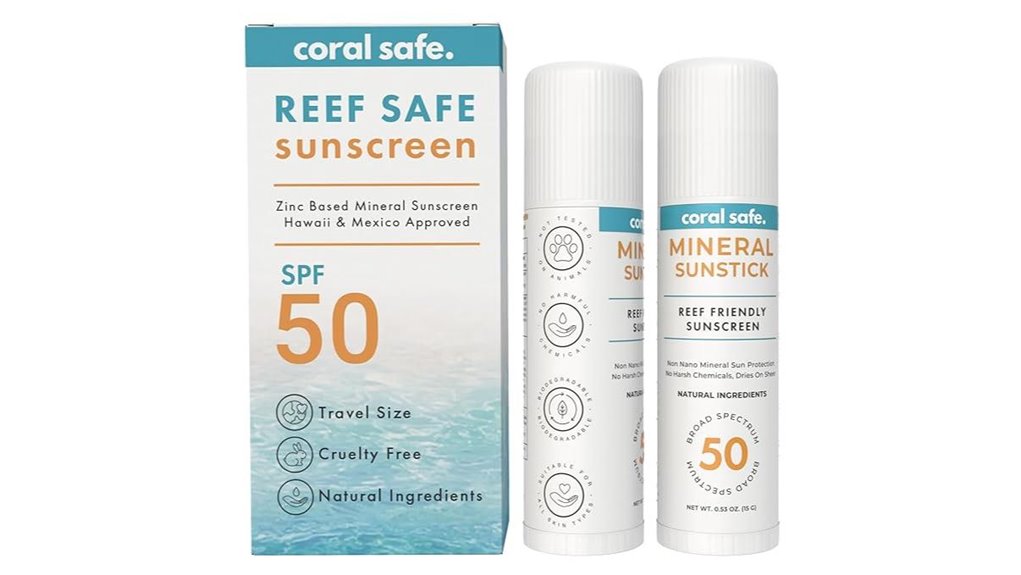
Looking for a reef‑safe, high‑powered sunscreen that won’t slip while you’re on the move? The Reef Safe SPF 50 Mineral Face Stick 2‑pack meets that promise. Made in the U.S. with a zinc oxide core, it blocks UVA and UVB without oxybenzone or octinoxate. Its biodegradable formula and vitamin E antioxidant keep skin protected and environmentally responsible. Feel the lightweight, non‑greasy feel that stays put for 80 minutes of water resistance, perfect for sport, travel, or beach days. Users praise its discreet Korean‑inspired texture—your go‑to shield that keeps waves safe while you stay sun‑smart. Protect your sunrise adventures for brighter tomorrow.
Best For: Outdoor adventurers, beachgoers, and eco‑conscious travelers who need a high‑SPF, reef‑safe, non‑greasy sunscreen on the go.
Pros:
- SPF 50 broad‑spectrum coverage with a reef‑friendly zinc oxide core.
- 80‑minute water resistance and lightweight stick format for easy reapplication.
- Biodegradable formula enriched with Vitamin E antioxidant.
Cons:
- Limited quantity per stick may run out during extended beach or sport sessions.
- The firm stick texture may feel more rigid than typical liquid sunscreens.
- No SPFs other than 50; not versatile for those who want lower or higher SPF options.
https://www.amazon.com/dp/B0C4V73WXB
Sun Bum Kids SPF 50 Clear Face Stick
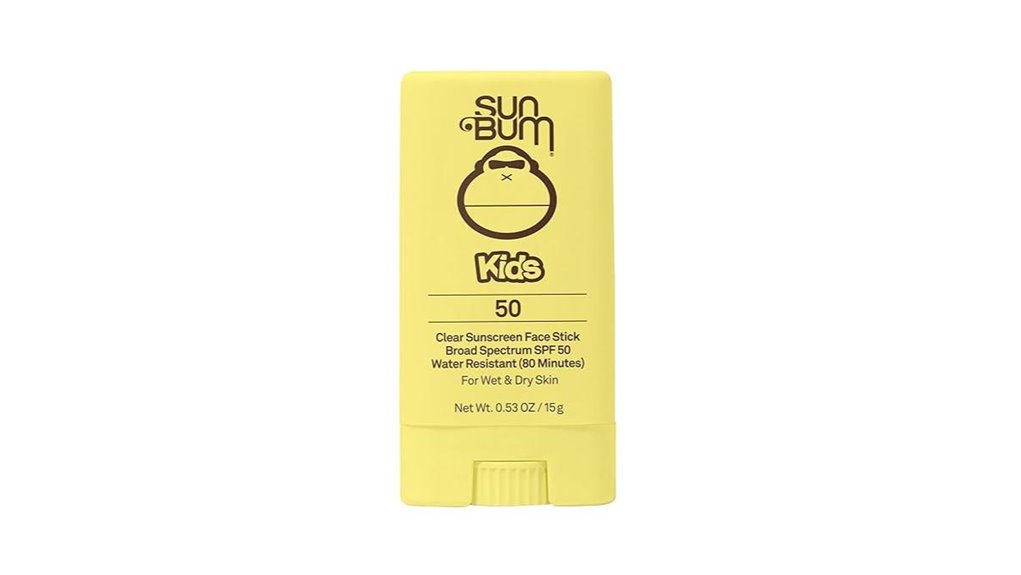
When you’re taking your adventurous child to the beach, the Sun Bum Kids SPF 50 Clear Face Stick gives you reef‑safe, broad‑spectrum coverage—free of oxybenzone and octinoxate so it protects kids and marine life alike. It’s a 0.53‑oz travel size that stays water‑resistant whether your little one is wet or dry. Apply two‑minute lay‑down before sun exposure and reapply after 80 minutes of swimming or sweating. Dermatologist‑tested, paraben‑free, and FDA‑approved, it meets Hawaii Act 104. The vegan, cruelty‑free formula feels light, and the kids‑specific brand keeps you compliant with FSA/HSA plans. Pack it in your stroller, and enjoy worry‑free beach days always.
Best For: active children aged 6 months and older who need quick, reef‑safe protection for beach or water adventures.
Pros:
- Reef‑safe formula free of oxybenzone & octinoxate.
- Water‑resistant and applies wet or dry, ideal for active play.
- FDA‑approved SPF 50, dermatologist‑tested, and FSA/HSA eligible.
Cons:
- Requires frequent reapplication every 2 hrs or after swimming.
- 0.53‑oz may be insufficient for longer outings.
- Not recommended for infants under 6 months without a doctor’s advice.
https://www.amazon.com/dp/B0BQCSMD63
Neutrogena Kids SPF 60 Beach Defense Stick
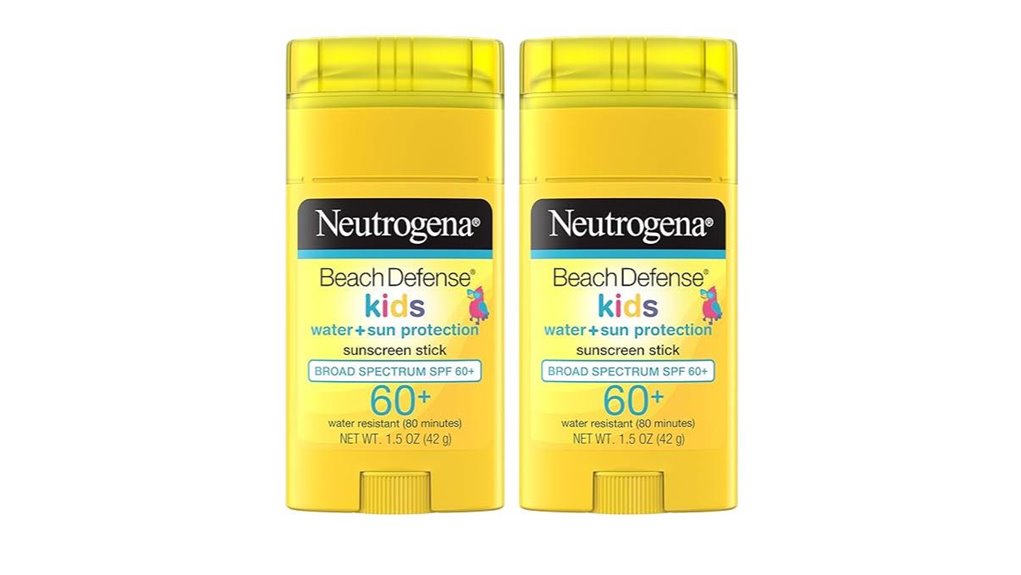
For active kids who love the beach, Neutrogena’s Kids SPF 60 Beach Defense Stick offers reef‑safe protection you can trust.
The 1.5‑oz stick feels lightweight and dries into a clear, residue‑free film—so you can keep things clean while your child splashes or plays.
Helioplex technology shields both UVA and UVB rays while antioxidants C and E support skin health. PABA‑free, the texture stays lightweight and stays on even when water splashes.
Water‑resistant for 80 minutes, it stays on while basketballing on the sand after a swim, making it perfect for vigorous beach play.
It meets Hawaii’s Reef Act 104 standard.
Best For: active children who love beach water activities and need reef‑safe, high‑SPF protection in a mess‑free stick format.
Pros:
- Hands‑free, stick format with a clear, residue‑free film that stays in place.
- Broad‑spectrum SPF 60+ powered by Helioplex® technology plus antioxidant C + E support.
- Reef‑safe, water‑resistant for up to 80 minutes—ideal for swimming, beach play, and vigorous sand activities.
Cons:
- Premium pricing compared to spray or lotion sunscreens.
- 1.5 oz travel size can run out quickly on longer trips or multi‑day adventures.
- Some users find the stick slightly sticky or prone to sliding off during very vigorous activity.
https://www.amazon.com/dp/B0CS85RRNK
Neutrogena Ultra Sheer SPF50 Mineral Sunscreen Stick
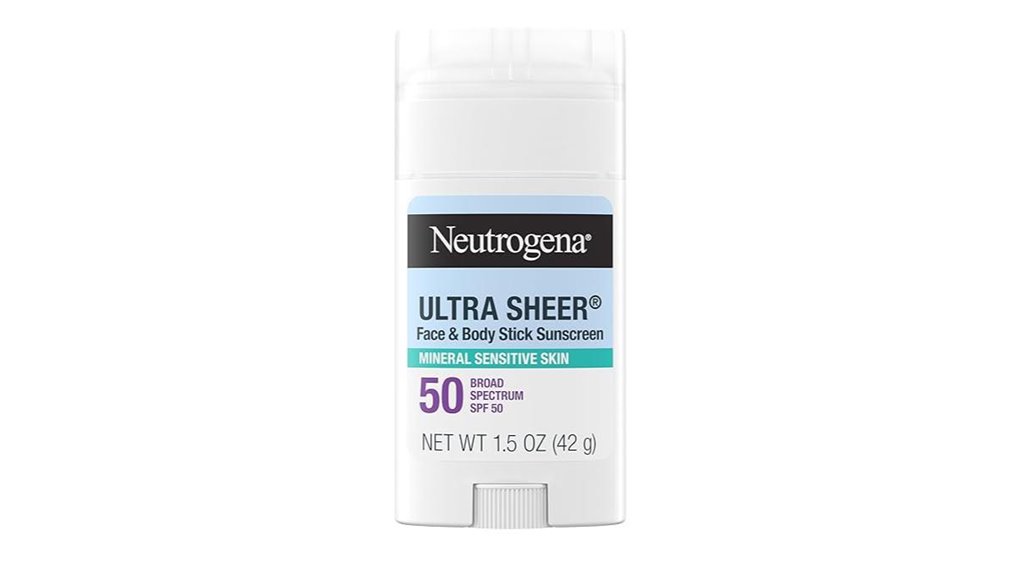
If you want a sunscreen that stays invisible and keeps your skin dry, the Neutrogena Ultra Sheer SPF 50 Mineral Stick is the clear winner. It packs 21.6 % zinc oxide into a 1.5 oz single‑use stick, meeting Hawaii Act 104 for reef safety. The dry‑touch texture feels weightless, delivers broad‑spectrum SPF 50, and leaves no white cast. It resists water up to 80 minutes, so you stay protected while hiking, biking, or simply strolling. Free from fragrances, parabens, sulfates, phthalates, and mineral oil, it’s gentle on sensitive skin yet non‑comedogenic. Vitamin E adds antioxidant support, soothing your skin during exposure and helping fade dark spots.
Best For: anyone who needs broad‑spectrum, water‑resistant protection for sensitive skin during outdoor activities, without a white residue.
Pros:
- 21.6 % zinc oxide delivers broad‑spectrum SPF 50 with reef‑safe claims.
- Dry‑touch, non‑greasy formula that leaves no white cast and feels weightless on skin.
- Single‑use stick is convenient, easy to apply, and water‑resistant up to 80 minutes.
Cons:
- One‑time 1.5 oz size may run out quickly if used frequently.
- Stick format may not cover large areas like the back or full face comprehensively.
- Limited ingredients may not provide extra moisturization for very dry skin.
https://www.amazon.com/dp/B09MV4618C
Sun Bum Mineral SPF 50 Face Stick
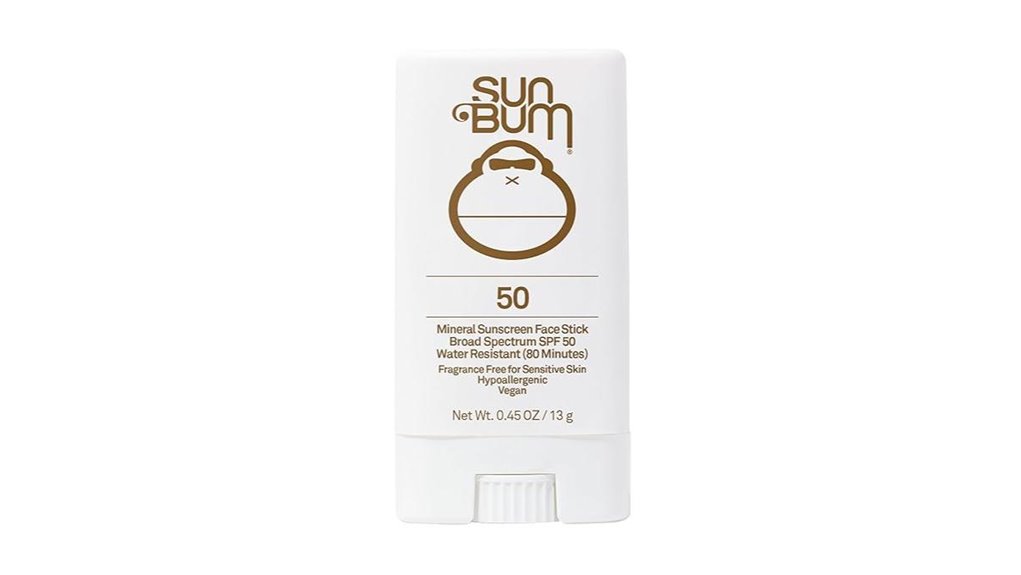
The Sun Bum Mineral SPF 50 Face Stick is a standout choice for sun‑seeking travelers who want reef‑safe protection that sticks around without the paste‑on hassle. Its 0.53‑ounce tube fits your luggage, water‑resistant texture sticks to skin, and zinc‑oxide base offers broad‑spectrum UVA/UVB coverage. Apply it 15 minutes before sun exposure, reapply after 80 minutes of water activity or sweat, and then every two hours to keep the matte finish. Because it’s chemical‑free, gluten‑free, cruelty‑free, and enriched with zinc oxide, you can feel good about protecting both your skin and marine life. Pack it, apply it, enjoy the beach safely and protected.
Best For: Sun‑seeking travelers who need quick, reef‑safe SPF on the go.
Pros:
- Compact 0.53‑oz tube fits travel gear easily.
- Water‑resistant, zinc‑oxide base for broad‑specturm protection.
- Chemical‑free, gluten‑free, cruelty‑free with a matte finish.
Cons:
- Leaves a normal white tint on darker complexions.
- Requires reapplication every 2 h after sun or water exposure.
- Matte finish may feel slightly dry on very dry skin.
https://www.amazon.com/dp/B0721M83FL
Sun Bum SPF30 Face Stick – Water-Resistant, Travel Friendly
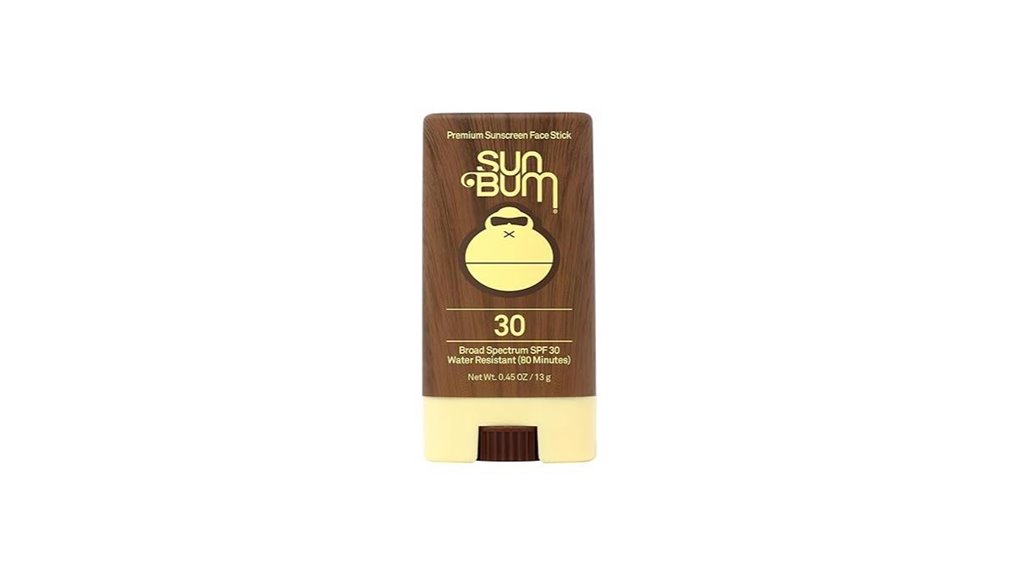
Looking for a sunscreen that keeps up with your adventures, the Sun Bum SPF 30 Face Stick delivers a compact, water‑resistant, reef‑friendly shield that’s easy to sling in any beach bag.
Your 13‑gram tube feels light, yet it shields against UVA/UVB with water‑resistant coverage that survives beach splashes. Vitamin E enriches skin, keeping it hypoallergenic and non‑comedogenic. The formula steers clear of oxybenzone, octinoxate, gluten, parabens. Slip it on 15 minutes before sun exposure, then swipe again every two hours or after 80 minutes of vigorous swimming. Dermatologist‑approved and built for quick on‑the‑go use, Sun Bum lives up to its beach‑primed motto for routine.
Best For: beach‑goers, travelers, and anyone who wants a quick, water‑resistant face sunscreen that’s reef‑friendly and skin‑safe.
Pros:
- 30 SPF with broad‑spectra UVA/UVB protection that resists water, making it ideal for beach splashes and outdoor play.
- Compact 13‑g tube enriched with Vitamin E, hypoallergenic, non‑comedogenic, and free of oxybenzone, octinoxate, gluten, and parabens.
- Quick‑apply stick format that’s easy to use on the go, reapply every 2 h or 80 min after swimming, with dermatologist approval.
Cons:
- Medium SPF (30) may need more frequent reapplication for extended, intense sun exposure.
- The small tube size can run out quickly during a full‑day beach trip or multi‑day vacation.
- Stick format can be tricky to use near the eye area, requiring careful wiping to avoid irritation.
https://www.amazon.com/dp/B007MV4BQY
Cetaphil Mineral Sunscreen Stick SPF 50
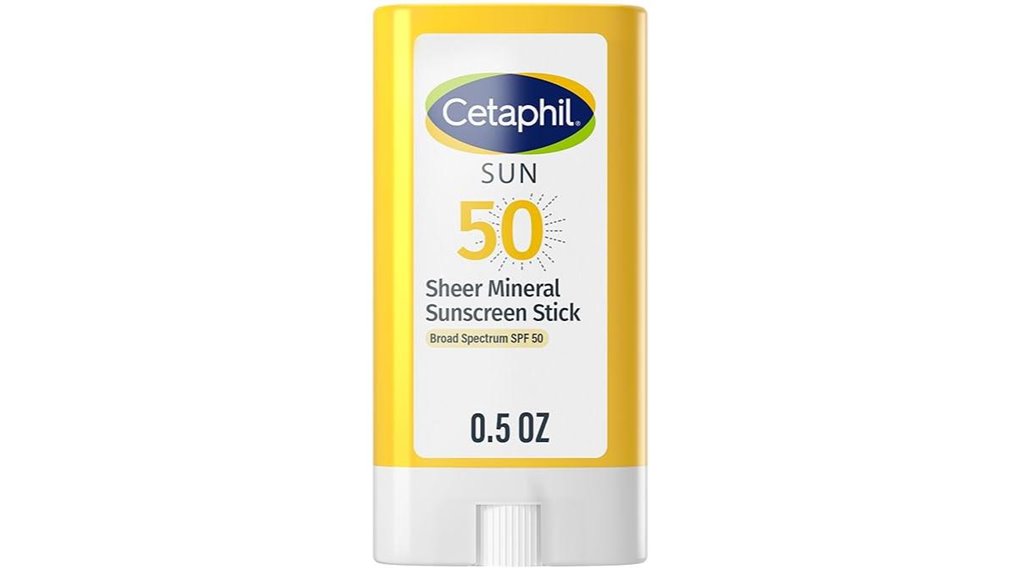
For anyone who cares about reef health and sensitive skin, Cetaphil Mineral Sunscreen Stick SPF 50 delivers a reef‑safe, chemical‑free protection that keeps irritation at bay. Its 100 % mineral formula uses zinc oxide and titanium dioxide, giving you broad‑spectrum SPF 50 protection without greasy residue. The stick stays water resistant for up to 80 minutes, so you’ll keep shielded while you swim or play. Because it’s fragrance‑free, paraben‑free and hypoallergenic, your sensitive skin will feel calm after application. Its hydrating vitamin E and microbiome‑friendly base soothe, making it ideal for lips, nose, and periorbital areas. It keeps your family protected daily always.
Best For: Parents and teens with sensitive skin looking for reef‑safe, non‑greasy, daily SPF 50 protection for the whole family.
Pros:
- 100 % mineral formula (zinc oxide & titanium dioxide) gives broad‑spectrum SPF 50 without chemicals.
- Water‑resistant for up to 80 minutes, ideal for swimming and outdoor activities.
- Fragrance‑free, paraben‑free, hy‑allergenic with soothing vitamin E—gentle on lips, nose, and periorbital skin.
Cons:
- Stick design can be inconvenient for applying to large body areas.
- May leave a visible white cast on darker complexion, especially in thin layers.
- Price point is higher than many liquid or cream sunscreens, which may deter budget‑conscious buyers.
https://www.amazon.com/dp/B08HJM5ZN4
Blue Lizard Kids Mineral SPF 50 Stick
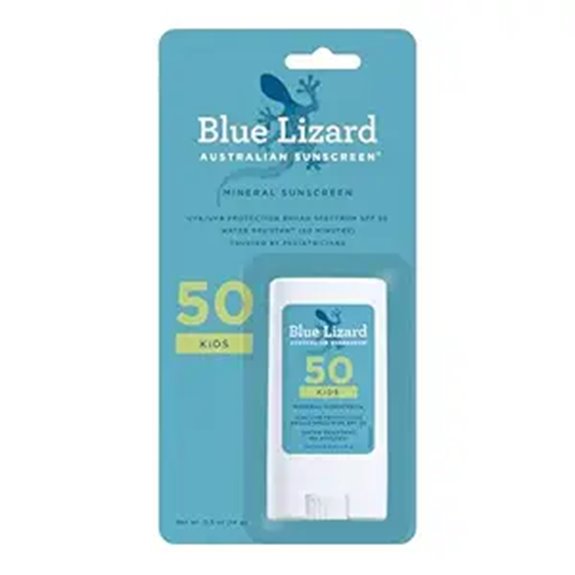
When you need a sunscreen that’s both reef‑safe and child‑friendly, the Blue Lizard Kids Mineral SPF 50 Stick becomes your primary choice. It’s a 0.5 oz TSA‑friendly stick that flies on board and fits in any pocket. With 100 % zinc‑oxide actives, it omits oxybenzone, octinoxate, parabens, and fragrance, so even sensitive skin stays soothed. It delivers SPF 50, blocks 98 % UVB, and stays water‑resistant for 80 minutes—just reapply after swimming or sweating, or every two hours. It dries clear, glides smooth, but can stain fabrics, so keep it away from heat. Reef‑friendly, vegan and cruelty‑free, it’s the safe, travel‑ready choice for the whole family.
Best For: parents seeking a reef‑friendly, TSA‑approved mineral sunscreen stick for their child’s sensitive skin.
Pros:
- 100 % zinc‑oxide active, free of oxybenzone, octinoxate, parabens, and fragrance.
- SPF 50 with 98 % UVB block and 80‑minute water‑resistance for reliable protection.
- Compact, stick format that glides smoothly and is travel‑friendly.
Cons:
- The 0.5 oz size can run out quickly during long trips.
- May leave a slight stain on dark fabrics.
- Needs reapplication after intense water or sweating every 2 hours.
https://www.amazon.com/dp/B083VXQ7MG
Sun Bum SPF 40 Sunscreen Stick, Travel Size
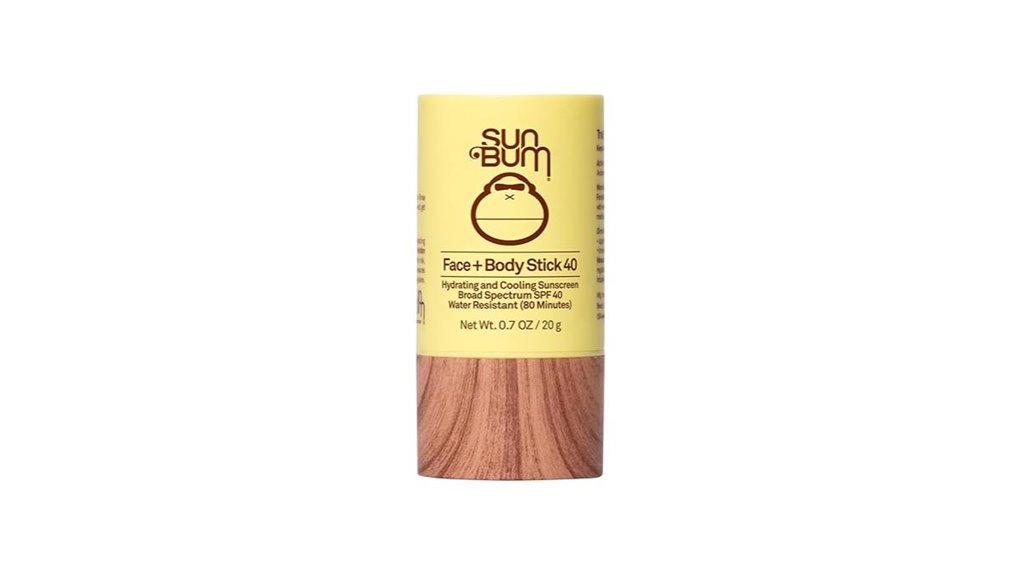
If you’re jet‑setting to tropical shores, this slim 0.7‑oz stick is perfect because it’s reef‑safe—free from octinoxate and oxybenzone—while remaining water‑resistant for long beach days. It delivers SPF 40 protection while hydrating with a cooling, water‑based formula that glides smoothly across skin, leaving no white cast. Apply 15 min before sun exposure, then reapply after 80 min of swimming or sweating, or anytime you towel‑dry, and at least every 2 h thereafter. Enriched with vitamin E and antioxidants, it moisturizes while shielding you from harmful UV rays, ensuring your skin stays supple. FDA‑approved, FSA/HSA eligible, crafted by a trusted beach‑ready brand, it’s reliable now.
Best For: beach‑goers, travel‑adventurers, and reef‑conscious swimmers who need a quick, reef‑safe sunscreen stick that stays water‑resistant and leaves no white residue.
Pros:
- Reef‑safe (free from octinoxate and oxybenzone), complying with Hawaii 104 and protecting marine life.
- Water‑resistant and easy to apply on the go, keeping protection even after 80 min of swimming or sweating.
- Hydrating, cooling formula enriched with Vitamin E and antioxidants, providing both sun protection and moisturization.
Cons:
- Limited coverage area; may require multiple applications for larger limbs or full-body protection.
- Small 0.7‑oz size can be pricey per ounce compared to bulk lotions.
- Does not contain advanced UVA filters, focusing primarily on SPF 40 protection.
https://www.amazon.com/dp/B0DN8TFJM2
Factors to Consider When Choosing Reef Safe Sunscreen Sticks.
When picking a reef‑safe sunscreen stick, you should first check that its formula won’t irritate sensitive skin and that it still contains reef‑friendly ingredients. Next, you’ll want to verify how long its water resistance lasts, because a brief shield means you’ll need to reapply more often. Finally, consider how convenient the packaging is for travel and confirm the SPF level matches your exposure risk.
Skin Sensitivity Compatibility
Because mineral‑only filters like zinc oxide and titanium dioxide rarely trigger allergic reactions, they’re a smart choice for sensitive skin. You’ll notice the formula stays scent‑free, paraben‑free, and chlorine‑free, so common irritants are eliminated. Dermatologists test these sticks for months, proving low irritation even with daily use on face and body. Micro‑fine particle sizing reduces skin contact incidents, preventing stinging or burning around delicate areas. The 80‑minute water‑resistant coating keeps protection intact w/o needing extra product, which can clog pores on acne‑prone or fragile skin. By choosing a reef‑safe stick built around these attributes, you protect your skin while it stays calm, clear, and comfortable. This composition also avoids photosensitivity that some chemical sunscreens trigger, giving you a calm, blue‑sky confidence under the sun.
Water Resistance Duration
Even though you might assume all reef‑safe sticks perform the same, their water‑resistance can range from 40 to 80 minutes. Most products claim 80‑minute protection, based on EPA/ATSDR Method 114. When a stick offers only 40 minutes, expect to reapply after 45 minutes of swimming or heavy sweating. Longer durations—70 minutes or more—often come from higher zinc oxide levels or hybrid mineral‑chemical blends. No matter which brand you use, remember to reapply at the end of each interval plus an extra five‑minute buffer after towel drying or vigorous activity. Keeping these time marks in mind guarantees you stay covered without over‑skipping applications, and don’t rely solely on product labels; validate by watching real‑time wear to match your activity level for safe and effective sun protection daily.
Reef‑Friendly Ingredients
Although reef‑safe claims abound, the real check is the ingredient list: minerals like 100 % zinc oxide or titanium dioxide—typically 21–25 % by weight—must be the sole UV blockers, and no oxybenzone, octinoxate, or benzophenones should appear. You should look for a non‑nano formulation, at least 100 nm, to limit bioaccumulation and avoid marine toxicity while still delivering high SPF. A good stick will also omit synthetic fragrances, parabens, and harsh preservatives that degrade water and harm coral symbionts. Finally, verify it meets Hawaii Act 104 or Mexico’s reef‑act standard, proving it contains fewer than 5 % of the usual harmful filters and truly protects the delicate ocean life in thriving reefs. Check labels marked “nano‑free” and note particle size; if banned filters exceed 5 %, the claim is false.
Portability & Packaging
You’ll notice that the best reef‑safe sticks come in compact, twist‑up tubes that fit under TSA limits and stay sealed. Those travel‑size weights, usually 0.4 to 0.7 oz, keep each container under the 3.4 oz liquid rule, so you can pack them in carry‑on luggage without hassle. A twist‑up or squeezable design seals the product, cutting the risk of leaks that aerosol cans or loose jars might pose on hot beaches. Check that the seal remains watertight, especially when you reuse the stick in humid or wet conditions; a cracked or broken seal can let the formula dry out or blow away, wasting sunscreen and waste. Choose packaging that’s eco‑friendly—recyclable or biodegradable plastics, or metal tubes—reducing single‑use waste and aligning with reef‑safe values for you.
SPF Coverage Level
Because UVB is the main culprit behind sunburn, the SPF rating of a reef‑safe stick directly dictates how much protection you get. If you’re spending a day at the beach or chasing waves, pick at least SPF 50. That level blocks roughly 98 % of UVB, letting you stay out six to eight times longer than an SPF 30 product. Everyday, dermatologists say SPF 30 is enough, but fair‑skinned adults, infants, or high‑UV locales deserve SPF 50‑70 for extra safety. Going beyond 100 offers hardly any extra benefit—each extra point cuts UVB by less than 1 %. So, match the intensity of your outing with a suitable SPF, not just the label, and remember to reapply every two hours if you’re active or sweating to stay protected strictly.
Texture & Finish
When you decide on an SPF level, think about how the stick feels on your skin. A firm viscosity gives you control, while still letting the product glide to avoid excess buildup. Look for a dry‑touch film that stays nearly invisible, cutting down on white cast—especially useful with micronized zinc oxide. A matte or satin finish blocks that greasy sheen, which is a must for oily or humid skin. Choose a quick‑dry, non‑residue texture so it sets in seconds, keeping it from dragging onto clothes. Fine‑particle zinc oxide smooths the surface and eliminates the chalky feel that larger particles can leave behind. Feel the difference as the formula seals in protection without a heavy, oily residue, letting you enjoy the sun while staying reef‑safe.
Application Ease
Although reef‑safe sticks highlight single‑handed, hands‑free application, the real advantage is how smoothly they cover every surface. You can glide a stick across arms and legs without juggling a tube, saving time on the beach or trail. The sharp tip lets you target hard‑to‑reach spots like the nose and ears, cutting waste and ensuring a thorough shield. Most formulas dry in seconds, leaving a clear film that won’t cling to makeup or clog pores; plus, the fast‑dry finish means no lift‑and‑rub step. Cold or humid weather gets tricky with lotions, but sticks stay solid and spotless, preventing drips. Because every dose is pre‑portionated, you avoid over‑applying or missing spots during fast‑paced adventures. It lets you enjoy more sun by cutting away guessing coverage time.
Certification & Compliance
Having already seen how a stick’s single‑handed design cuts time, you’ll want to verify that its reef‑safe label goes beyond buzzwords. First, the certification demands the removal of oxybenzone and octinoxate, leaving only mineral blockers like zinc oxide or titanium dioxide that prove non‑toxic to coral. Next, federal law requires the label to show active ingredients, SPF, and to pass EPA‑approved safety tests. Many top products also satisfy Hawaii Re‑f Act 104, capping oxybenzone at <0.5 ppm and octinoxate at <0.06 ppm, and using FDA‑approved minerals. The EU audit enforces ≥90 % UVA/UVB coverage while excluding ionizable filters that bio‑accumulate. Finally, the Reef Safe Label certifies the water‑dispersible mineral concentration stays ≤8 % by weight, a proven coral‑toxicity threshold. You’ll feel confident protecting these fragile reefs today everywhere.
Frequently Asked Questions
How Long Does Reef-Safe Stick Resist Water?
It normally holds up for about half an hour to an hour before water starts to wash it out. You’ll want to re‑apply again after only a few minutes of swimming or sweating. Most brands advertise 30‑minute to one‑hour protection, but they often lose effectiveness once the sunscreen separates from the skin. So, to stay safe, re‑apply a fresh coat after surf, towel, or wipe‑off, and keep a small bottle handy at hand.
Are There Any Dyes or Fragrances?
There aren’t any dyes or fragrances in these reef‑safe sunscreen sticks. You will notice a subtly earthy tint from natural plant extractions, but there’s no added coloring. Similarly the formula remains pure and odorless. That means you won’t experience any synthetic smell, and the stick won’t clog your tender skin with excess fragrance. Overall you get effective sun protection, reef‑friendly ingredients, and a clean touch for beach days, enjoy daily.
How Often Must You Reapply Sunscreen in Tropical Climates?
Like a loyal compass, you should reapply sunscreen every two hours when you’re out in the tropical sun. If you swim, sweat, or towel off, shave that time down to 1.5 hours. High UVA levels and humidity boost evaporation, so keep your skin shielded by reminding yourself to slip on another layer right before you lose fifteen minutes outside. Your skin will thank you later and keep shining safely today.
Is It Safe for Eczema-Prone Skin?
You can safely use these sunscreen sticks, even if you have eczema‑prone skin, because they’re formulated with gentle, non‑irritating ingredients and avoid harsh chemicals. However, always patch‑test first; apply a small amount to your forearm before a full session. If you notice itching, redness, or a rash, stop immediately and consult a dermatologist. Otherwise, the lightweight, fragrance‑free formula should keep you protected while soothing irritation and keeps your skin calm.
Can It Be Applied Over Sunscreen Patches?
Yes, you can apply it over sunscreen patches. When you cover your skin with a patch, the sunscreen inside still works, and adding a stick afterward won’t damage it. Just let the patch set, then glide the stick lightly over the area, smoothing it in. This keeps the UV protection intact while you enjoy extra coverage. Always patch‑test first, especially if you’re sensitive or have eczema, for peace of mind.
Conclusion
Choosing the perfect reef‑safe sunscreen stick means putting your skin and the ocean both first. You’ll notice the lightweight feel, the quick‑absorb texture, and the peace of mind that comes with a biodegradable formula. And when you spend a sunny afternoon, you’ll know you’re helping preserve coral reefs while staying protected. Ready to make a splash for a healthier planet? Pick a reef‑safe stick today and feel the difference. You’ll enjoy a fresh, ocean‑friendly vibe.

Introducing Maria, our meticulous planner and talented visual storyteller. She has a knack for discovering those hidden gems, chic boutique spots, and charming little cafes that add a touch of elegance to every journey. With her keen eye for photography and her passion for travel, Michelle will transport you to the most enchanting corners of the world, inspiring you to explore new places, one picture-perfect destination at a time.